

Millennials Are Middle-Aged
Millennials are the new Boomers; Just pucking around; And more...
Your Inside Voice is a curated cultural newsletter brought to you by Pragmatic, the IP/literary scouting advisory that helps film & tv producers find, acquire, and develop material for the screen.
THE MAIN COURSE

So Old, So Young by Grant Ginder | Scout Press | February 17, 2026
In publishing-speak, to call a novel “sweeping” is perhaps to conjure a certain…vintage. A musket or two, maybe a World War, perhaps a plague? But this month’s pick—Grant Ginder’s So Old, So Young—isn’t your (great-)grandmother’s historical epic. Instead, it plants a fictional flag in the American story on behalf of millennials everywhere.
Millennials are all grown up—and so are the characters in So Old, So Young. Births, deaths, regrets, success: they’ve lived it all. This is the cohort that gave us avocado toast, Girls, Burger Joint Core, and, yes, Millennial Cringe. But they’re also the generation that knows its way around a global financial crisis, a pandemic, the decline of participatory democracy, and much more. It follows, then, that it’s their turn to start reckoning with the decades they’ve spent navigating it all—together.
So Old, So Young follows a group of friends as they navigate the complexities of adulthood, relationships, and evolving identities over the course of nearly two decades, from their carefree days in New York City to the challenges of marriage, parenthood, and loss that test their bonds. As their lives diverge and converge, they confront harsh truths about themselves and each other, ultimately finding solace in the enduring power of friendship.
Rendered with Grant Ginder’s signature wit, this is a generational epic about a generation that probably would have preferred to have less of an epic about their generation at all. Boomers have The Big Chill, Generation X has Reality Bites, and just as millennials are pining to party like it’s 2016, So Old, So Young takes its place in the pantheon of works that reflect the wants, needs, regrets, and triumphs of a generation—as the whisper of life’s back half turns into an unmistakably audible throat-clearing.
YOUR SOMMELIER’S PAIRING

Heated Rivalry (Book 2 in the Game Changers Series) by Rachel Reid | Carina Press
Sure, there are plenty of other gay sports romances that we could suggest you check out now that you’ve mainlined all six episodes of Heated Rivalry. But if the online fan community mass psychosis event surrounding the show is any indication, nothing short of more Shane and Ilya will do.
How did a 2019 book series about closeted hockey players in a clandestine relationship and developed by a Canadian streamer become a bona fide hit on HBO, launch about a billion steamy edits on TikTok, create a cottage (no pun intended) industry of bar watch parties, make overnight stars out of its relatively unknown lead actors, and merit mention on the earnings call of the book series’ publisher, HarperCollins? Variety has a great play-by-play. But there’s something else going on here besides just luck and timing.
It may seem counterintuitive to say about a decidedly progressive, avant-garde phenomenon, but this horny gay hockey romance series—based on a fanfic-adjacent book series and releasing in the middle of a supposed cultural regression—worked on screen largely as a result of going back to the basics of old-fashioned TV-making: a creator had an idea, an executive trusted him, and a buyer took a measured chance that it would all work out.
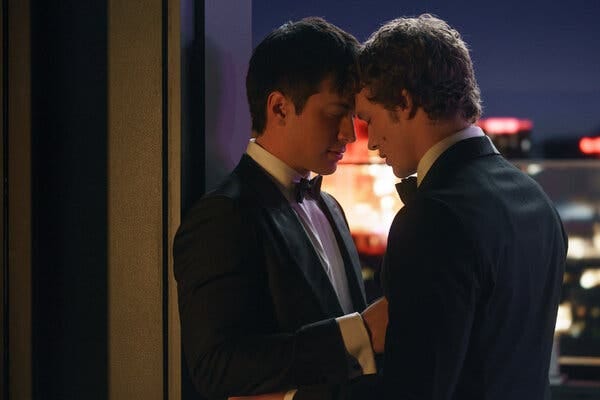
It’s telling that the series found a home at a smaller Canadian streamer that trusted a creator’s vision (eventually someone not named Your Inside Voice will trace the lineage of creator Jacob Tierney’s voice in Letterkenny to Heated Rivalry), rather than immediately landing at a Hollywood streamer with data in hand to justify the acquisition. By all accounts, even HBO’s later pickup came down to Casey Bloys’s gut instinct after watching this very sweet romance over a weekend.
There will be, now and for the foreseeable future, a rush on sports romances, gay sports romances, hockey romances specifically, and every other permutation of the ingredients that might suggest a replicable success. But the more lucrative lesson for studios, publishers, filmmakers, and all the rest of us is that Heated Rivalry’s delightful, surprising ascent to pop-culture prominence is a story of process—not content.
That is: there should always be room on the slate to take a chance on artistry and novelty. Predicting the outcomes of artistic endeavor is surely aided by unimaginable amounts of carefully sliced data. But the alchemy that forms around artistic passion, vision, and careful execution cannot possibly be measured. The next Heated Rivalry won’t look like Heated Rivalry at all. And wise is the creator or creative champion who—sometimes, at least—takes a less sure path to achieve a more rewarding outcome.
The creative industries should be in the business of taking risks and balancing that risk against backlists and libraries. Reboots and retreads have their place in this ecosystem, but in a world in which it’s impossible to get anyone, anywhere to pay attention to anything for more than 30 seconds of scrolling, it’s more important than ever to make a conceptual splash that cuts through the noise and commands attention. Familiarity breeds flatness in our world of constant attention peaks and valleys. And a show, or a movie, or a book becomes part of the landscape—rather than a thing unto itself—if it’s too much like everything we’ve seen before.
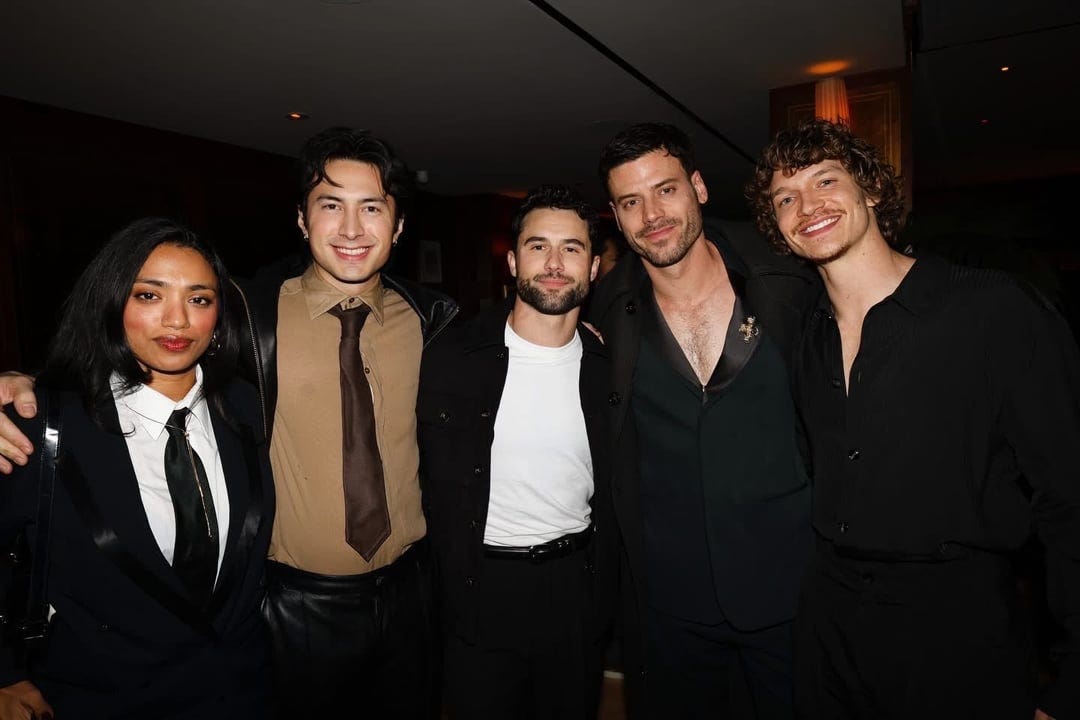
And let’s not forget the way that “risky” bets—that actually aren’t that risky at all compared to the huge budgets of so many series and theatrical films—feed the larger ecosystem long term. The TV star-to-bankable actor pipeline was once a tried-and-true way to seed the next generation of movie stars. And he reboots, reimaginings, and retellings of tomorrow will need constant replenishment in a world of hundreds of scripted series being made per year in a post-streaming world.
THE CHEESE COURSE
The Hit Hollywood Didn’t Want by A.A. Downs | The American Prospect
cc: Heated Rivalry
Publishing’s demise is almost always greatly exaggerated. And yet, reading persists.
Can “Bookstreaming” Save the Literacy Crisis? by Anabel Iwegbue | Cosmo
No, Kai Cenat reading on his livestream won’t singlehandedly solve the literacy crisis (headline writers, I beg you to reel it in). But any bit of attention for books and reading in front of new audiences that publishers have struggled to reach is quite well appreciated.
DESSERT
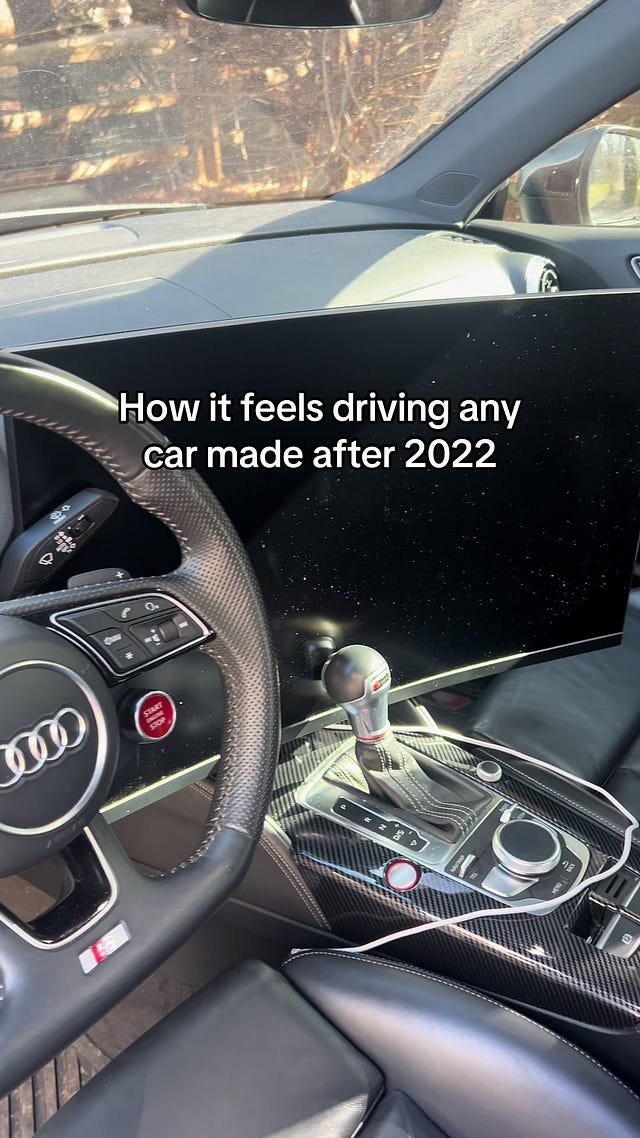
 Tiktok failed to load.
Enable 3rd party cookies or use another browser
Pragmatic works with a select list of American and international film & television clients, helping them find, acquire, and develop books and other intellectual property—articles, life rights, podcasts, video games, theater…and so much more—for the screen. If you’re interested in working with us and being plugged into a global, curated IP platform, we’d love to hear from you! Send us an email.